

Commentary
Defense tech innovations will be at the heart of Europe’s new security strategy. But so far, Brussels has been making moves without a broader plan, undermining readiness and credibility.
Raluca Csernatoni
{
  "authors": [
    "Milo McBride",
    "Pauline Gerard"
  ],
  "type": "commentary",
  "blog": "Strategic Europe",
  "centerAffiliationAll": "",
  "centers": [
    "Carnegie Endowment for International Peace",
    "Carnegie Europe"
  ],
  "englishNewsletterAll": "",
  "nonEnglishNewsletterAll": "",
  "primaryCenter": "Carnegie Europe",
  "programAffiliation": "",
  "regions": [
    "Europe"
  ],
  "topics": [
    "EU",
    "Energy",
    "Climate Change",
    "Foreign Policy"
  ]
}
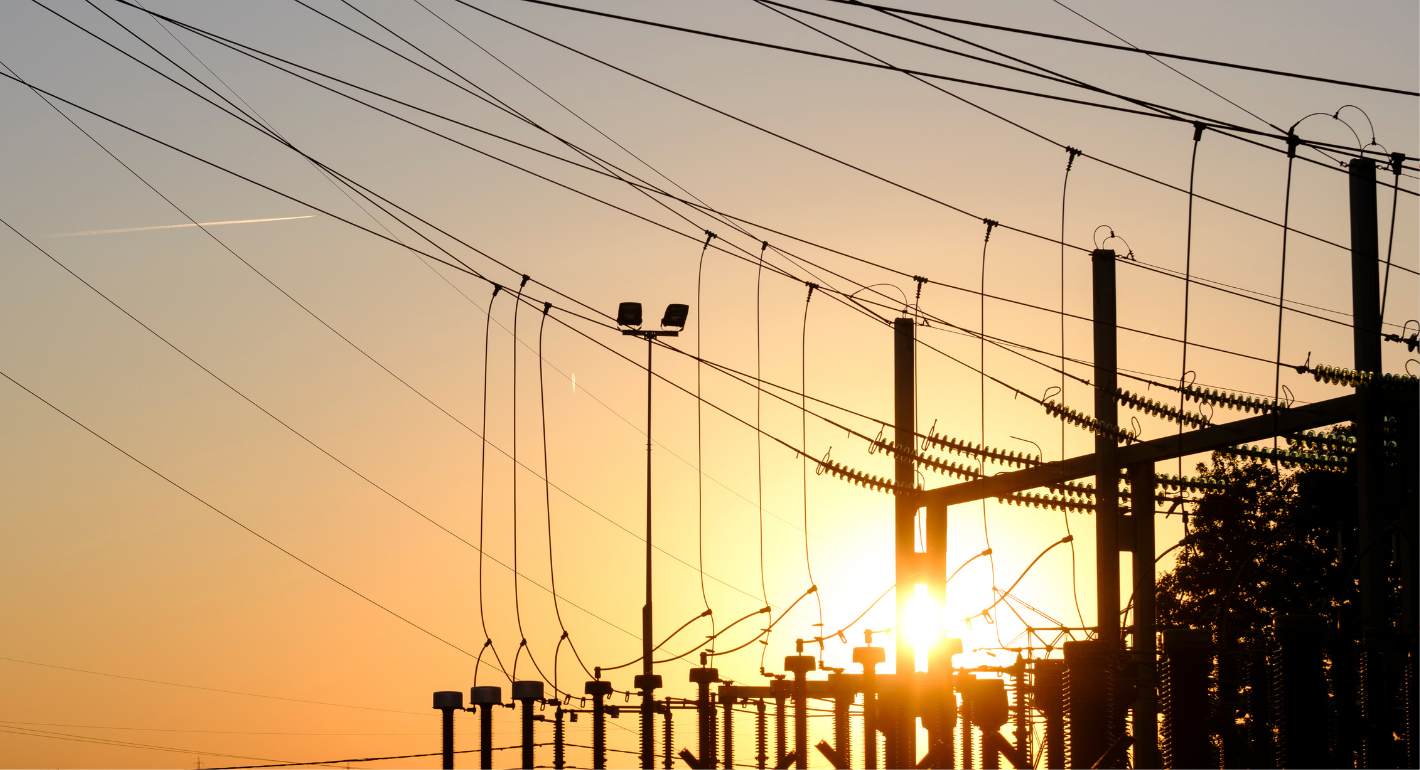
Source: Getty
The closure of the Strait of Hormuz has triggered a global energy crisis, but Europe is stuck in reaction mode. Without more strategic foresight, the EU will remain dependent on fossil fuels and will never be truly secure.
The energy crisis caused by the U.S.-Israeli war on Iran has once again laid bare the incompatibility of fossil fuel dependency with genuine security. But it also exposes the limits of Europe’s progress in de-risking and building resilience since the 2022 energy crisis. While immediate relief measures are largely in the hands of member states, anticipatory policymaking is precisely where the EU is indispensable.
Europe will need additional technologies, alongside ambitious and creative policies, to fully achieve energy autonomy.
In response to the current crisis, the European Commission has unveiled AccelerateEU, a five-point plan to manage rising energy costs. It addresses many of the core challenges, like extreme volatility in the jet fuel and diesel markets and varying degrees of precarity in residential and industrial sectors, head-on. It is a sound strategy with the right responses to remediate today’s challenges.
Building on the EU’s existing goals, there are four grand strategy projects that the commission might pursue in greater depth: virtual power plants, fuel-swapping industrial boilers, a geothermal energy movement, and an innovation policy agenda ultra-focused on reducing European vulnerabilities. These are the kinds of initiatives that could help Europe achieve long-term energy autonomy and freedom from volatile markets and geopolitical coercion, while cutting carbon emissions in the process.
Imagine a future where every European warehouse and school has rooftop solar panels that are efficiently integrated with heating systems, vehicle charging, and the power grid. This utopian vision, known as a virtual power plant, is unfolding today as a very real opportunity with vastly untapped potential. Rooftop solar on all buildings in Europe could generate an astounding 40 percent of the continent’s power demand, while a U.S. study found that widespread virtual power plants could reduce nearly one-fifth of peak electricity demand—right when European gas turbines burn costly and imported-liquified natural gas.
Europe’s rooftop solar rollout is flailing. AccelerateEU’s call for heat pumps and batteries is welcome, but adoption rates are lagging as member states roll back rooftop solar schemes. The EU will need more than regulation. Supporting the build-out will require subsidies and smart market reform, coupled with strict cybersecurity mandates for European-operated software and domestically critical hardware. This will ensure that today’s fossil fuel vulnerability is not traded for tomorrow’s digital risks.
What if Europe’s industrial heat came from sustainable energy on-site? This is the potential of replacing industrial gas boilers with clean solutions in heating processes, like thermal battery energy storage, which releases heat instead of electricity, large heat pumps, and electric boilers—as well as geothermal heat from the earth. Today, around 60 percent of process heat can already be electrified, thus reducing dependence on expensive and volatile fossil fuels.
Yet, this prospect is still nascent: Electrified industrial process heat stood at just 3 percent in 2024. Market barriers include high electricity prices relative to gas, preventing some of these solutions from being cost-competitive. Fixing the economics can be achieved through action on electricity taxes, a strong commitment to carbon pricing, and targeted financial support to lower both upfront and operational costs. The forthcoming electrification and heating packages—as well as funding from the Industrial Decarbonization Bank—may be a critical moment for EU industry
But electrifying industry will require more power. While Europe is successfully exploiting its wind, solar, and hydro resources, the vast potential of geothermal energy remains untapped. It is the sleeping giant of renewable energy, and it is being woken up thanks to new innovations in drilling technologies. As past analysis has found, Europe has some of the highest potential globally, especially in Germany and southeastern Europe’s Pannonian basin—in countries like Croatia, Hungary, and Romania. By 2050, the continent could have 60 gigawatts of geothermal power—about the size of France’s nuclear output, which powers a majority of the country. Making this clean, round-the-clock energy source could significantly reduce demand for foreign fossil fuels.
But the deployment of geothermal energy has been painfully slow across the continent, reaching only 0.2 percent of the bloc’s electric power in 2024. The brief mention of geothermal in the AccelerateEU plan is a welcome development, but without a clear European political commitment to the sector, dedicated funding to de-risk drilling, and the incubation of a robust local supply chain, the technology risks remaining a sleeping giant: full of promise, but never quite awoken.
In the long term, Europe will need an innovation policy that prioritizes breakthrough solutions to abate strategic dependencies, including those on the horizon. Innovating out of current vulnerabilities requires taking risks on emerging technologies that bypass the myriad of geopolitically risky inputs that might threaten the continent's independence. Doing so will require tailoring the research goals of Europe’s research and development programs—from Horizon Europe to member state bodies like France’s national research agency—to be laser focused on breakthroughs with security dividends, not just emissions reductions.
Key areas of focus might include battery designs that reduce reliance on highly concentrated and contested minerals. The EU just started financing work on geologic hydrogen, a zero-carbon fuel extracted from the earth with massive potential cost reductions, finally making the clean molecule economically viable. Unlocking this untapped energy source would have knock-on effects like generating localized synthetic fuels at far cheaper costs and producing domestic fertilizers without imported feedstock.
While the EU’s priority today should be to react to the crisis in the Gulf, unlocking these long-term opportunities should not be left by the wayside. Europe has the talent and tools, but this vision of energy independence will require concerted policy efforts and strategic foresight.
Subscribe to Strategic Europe, delivered to you weekdays!

Fellow, Sustainability, Climate, and Geopolitics Program
Milo McBride is a fellow in the Sustainability, Climate, and Geopolitics Program at the Carnegie Endowment for International Peace.

Research Assistant, Carnegie Europe
Pauline Gerard is a research assistant at Carnegie Europe, supporting work on clean technologies, industrial policies, and a foreign policy for the Clean Industrial Deal.
Carnegie does not take institutional positions on public policy issues; the views represented herein are those of the author(s) and do not necessarily reflect the views of Carnegie, its staff, or its trustees.
Defense tech innovations will be at the heart of Europe’s new security strategy. But so far, Brussels has been making moves without a broader plan, undermining readiness and credibility.

Raluca Csernatoni

When the U.S.-Iran memorandum of understanding was announced, the UK, France, Germany, and Italy declared their readiness to help demine the Strait of Hormuz and lift nuclear sanctions on Tehran. But does Europe need new tools to recover a diplomatic role?

Rym Momtaz, ed.
The Franco-German relationship is on the rocks again. But unlike previous moments of tension, the epochal changes on the world stage require that both step up investment in their bilateral ties.
Rym Momtaz
The EU is putting together a new security strategy to meet today’s myriad challenges. But for any proposal to be effective, the union needs to grapple with its identity and ambitions.

Pierre Vimont
The EU’s new migration policy is not suited to today’s realities. With climate change increasingly becoming a driver of displacement, Europe needs to rethink its deterrence-focused approach.

Shana Tabak