

Commentary
By burying disagreements in imprecision, the new deal risks same fate as its predecessors.
James M. Acton
{
  "authors": [
    "Amr Hamzawy",
    "Andrew Leber",
    "Eric Lob",
    "Marwan Muasher"
  ],
  "type": "questionAnswer",
  "blog": "Emissary",
  "centerAffiliationAll": "dc",
  "centers": [
    "Carnegie Endowment for International Peace"
  ],
  "englishNewsletterAll": "menaTransitions",
  "nonEnglishNewsletterAll": "",
  "primaryCenter": "Carnegie Endowment for International Peace",
  "programAffiliation": "MEP",
  "programs": [
    "Middle East"
  ],
  "regions": [
    "Middle East",
    "Iran",
    "Israel",
    "Oman",
    "Qatar",
    "Lebanon",
    "Egypt",
    "Türkiye",
    "United States"
  ],
  "topics": [
    "Foreign Policy",
    "Domestic Politics",
    "Energy",
    "Military"
  ]
}
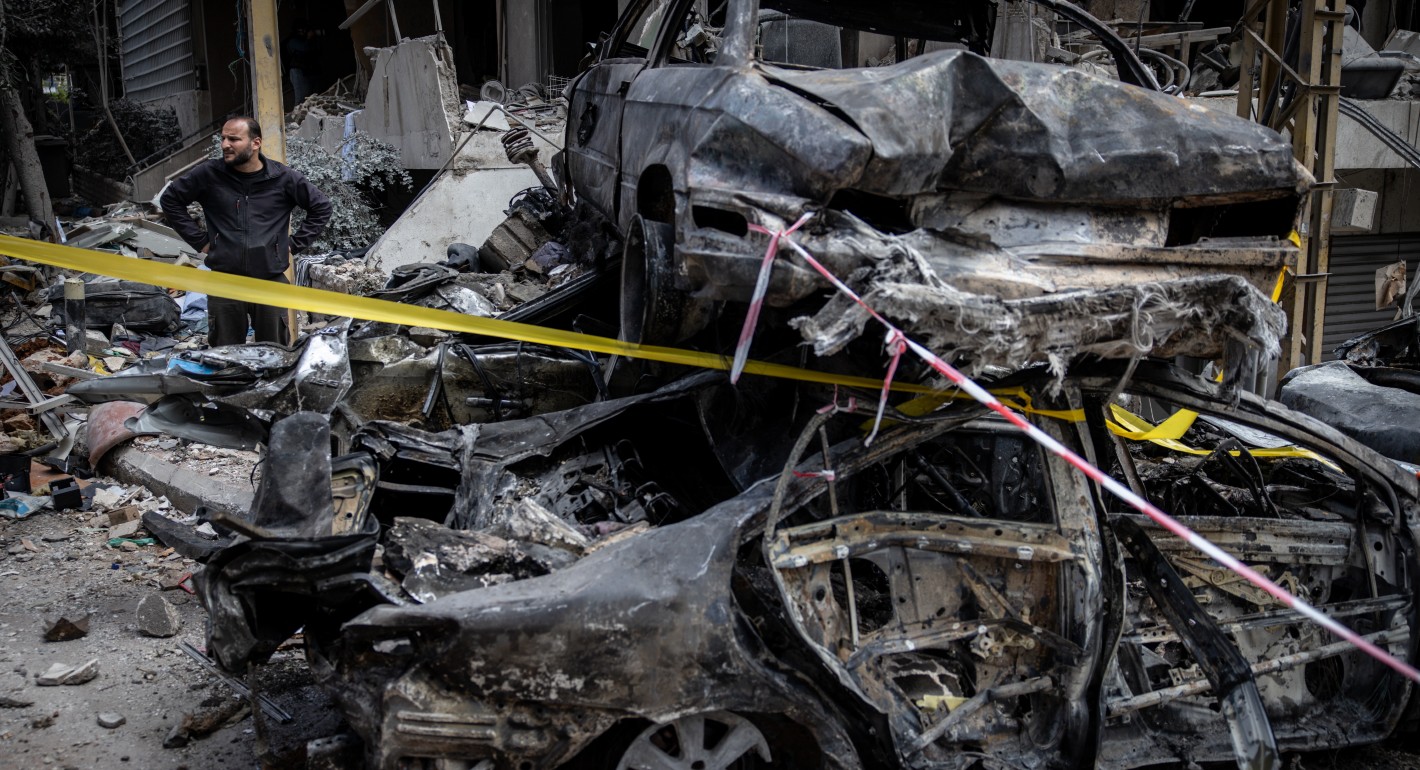
A man examines destroyed vehicles and buildings after Israeli airstrikes hit Beirut on April 9, 2026. (Photo by Chris McGrath/Getty Images)
Four Middle East experts analyze the region’s reactions and next steps.
How is the region reacting to the ceasefire?
Amr Hamzawy: In the hours immediately following the ceasefire announcement, the Middle East was unable to catch its breath. Israeli airstrikes on Lebanon continued, claiming the lives of at least 200 people and injuring hundreds more. The strikes fueled widespread fears regarding the persistence of hostilities in one of the region’s nations most ravaged by war and violence.
Elsewhere, however, a sense of relief prevailed. The Gulf states—along with Iraq and Jordan—welcomed the truce and called for a final agreement that would permanently end the conflict and provide them with sufficient security guarantees to prevent any recurrence of Iranian aggression. Egypt and Turkey—both of which, along with Pakistan, played a mediating role between the United States and Iran—emphasized the imperative of upholding the truce and the necessity of safeguarding regional security interests. They also demanded that Israel immediately cease its attacks on Lebanon.
Beyond official government stances, Iran-aligned militias, such as Hezbollah in Lebanon and various armed Shiite movements in Iraq, initially declared their support for the ceasefire. However, the continued Israeli attacks on Lebanon prompted Hezbollah to launch a limited number of rockets toward northern Israel, while Iraqi militias spoke of a potential retaliatory strike against Israel, though they ultimately took no action. The Houthi movement in Yemen had previously distanced itself from the conflict, and it maintained the same stance following the ceasefire.
Eric Lob: Iran is skeptical this pause could lead to a permanent ceasefire and sustainable peace for two reasons. First, Tehran has very little trust that Donald Trump will abide by his commitments, and his ceasefire plans have fallen apart in Gaza and Lebanon. Also, Trump’s two previous cycles of negotiations with Iran abruptly ended with Israeli and American airstrikes against it in June 2025 and February 2026. As a result, Tehran probably perceives the ceasefire as a pause in hostilities rather than anything permanent, and it is preparing for renewed conflict accordingly. In response, Trump has threatened to impose tariffs on any country that sells or transfers weapons to Iran.
Marwan Muasher: The region in general feels that it is now left with a dual threat: a temporarily weakened but angry Iran that could rebuild its conventional military capability in a few years, and an emboldened Israel that has already stated it is not bound by the ceasefire and will continue its operations in Lebanon and the West Bank. Gulf states in particular are skeptical about a ceasefire that might leave Iran in control of the Strait of Hormuz.
Andrew Leber: Building on Marwan’s point, Gulf commentary has publicly welcomed the ceasefire yet doubted whether it will hold (for different reasons depending on the country). Emirati officials have stressed the need to push Iran to abide by the terms of the ceasefire, given continued Iranian attacks on Gulf targets. Saudi official statements welcomed the ceasefire, while media commentary has worried about the daunting task of negotiating a sustainable peace. Oman’s Foreign Ministry welcomed the ceasefire yet condemned renewed Israeli attacks on Lebanon—a position echoed in local media. “A truce that excludes Lebanon is not the beginning of peace,” opined the Oman Daily Observer. (The UAE later criticized Israeli attacks on Lebanon as well, albeit in somewhat vaguer terms). Prewar and wartime sources of divergence within the Gulf Cooperation Council are apt to continue, making it harder to express a unified Gulf-monarchy position.
Lebanon is a key flashpoint. What’s at stake?
Marwan Muasher: Those who suspected that a U.S.-Iran agreement would not be honored by Israel were correct. Since the ceasefire, Israeli military action has been the most severe since the Iran conflict began on February 28. The continued attacks also point to Israel’s real intention: to occupy South Lebanon and use this as leverage to push the Lebanese government to accept a peace treaty that only serves Israel’s interests.
Amr Hamzawy: This Israeli aggression curtails the Lebanese government’s capacity to manage the critical issue of Hezbollah’s weaponry—an issue the government in Beirut aspires to bring under its own control. Furthermore, it hinders Lebanon’s ability to redeploy the national army throughout the south and other regions to effectively end Hezbollah’s military role—a role through which the group has monopolized the authority to decide on matters of war and peace with Israel, to the exclusion of all other components of Lebanese society and the political establishment. This is a state of affairs that the majority of the Lebanese people now reject.
Ultimately, this Israeli aggression complicates matters significantly. It revitalizes Hezbollah’s standing as a resistance movement opposed to Israel—notwithstanding the losses in weaponry and human life it has sustained—and severely limits the Lebanese government’s ability to effectively manage both the Hezbollah dossier and its relationship with Israel. Indeed, it runs the risk of pushing Lebanon’s entire political system toward total collapse.
One of the key U.S. demands was the reopening of the Strait of Hormuz. How might that play out?
Eric Lob: As part of upcoming talks in Pakistan and in exchange for U.S. sanctions relief (something Iran temporarily received during the war), Trump has demanded that Tehran reopen the Strait of Hormuz to reduce economic pressure on the United States and other countries. Iran has indicated it would do so if it is able to retain control over the strait. For Iran, Hormuz has served not only as a source of military and strategic leverage, but also a revenue stream for its shattered economy and postwar reconstruction—something for which Tehran has requested reparations from Washington.
Andrew Leber: Gulf rulers care about whether the strait is actually open to traffic, rather than Trump claiming as such.
Publicly, the Gulf states will not accept an Iranian “toll” on shipping that travels through the Strait of Hormuz. Privately, they are likely willing to facilitate some kind of payments to Iran so as long as shipping proceeds relatively unimpeded. Rumors already suggest that the Saudi government pays Houthi forces in Yemen considerable sums—an underappreciated reason why the armed group has largely stayed out of the conflict. While these payments may not take the form of a toll, Iranian demands include a request for Oman to jointly administer a fee system. (Oman’s minister of transport claimed the country could not accept tolls under international agreements, but those comments were not repeated by higher-ranking officials and have been scrubbed from in-country reporting.)
What role are Pakistan and other mediators playing?
Amr Hamzawy: Egyptian and Turkish diplomats and security officials conveyed messages between the United States and Iran, while Pakistan took a more central role immediately preceding the ceasefire. The militarization of the region serves neither Egypt’s nor Turkey’s interests nor their national security, and their mediation efforts will likely continue. Islamabad is expected to host another round of talks between Washington and Tehran in the coming days.
Conversely, Oman and Qatar—which have historically played active mediation roles between the United States and Iran—have been effectively sidelined by the recent hostilities. Oman, in particular, remained an optimistic mediator regarding the imminent prospect of a diplomatic resolution between Washington and Tehran, right up until a few hours before Operation Epic Fury began. Indeed, the Omani foreign minister had spoken from Washington of an impending diplomatic agreement just prior to the launch of the U.S. and Israeli strikes on February 28. Both countries have since been targeted by Iranian strikes.
These Iranian aggressions against the Gulf states have eroded their confidence in the feasibility of rapprochement with Iran and the prospects for long-term de-escalation. The repercussions of these attacks mean that Ankara, Cairo, and Islamabad are likely to continue to conduct mediation efforts without the active participation of others in the region.
The ceasefire—and the region’s future—feel extremely fragile. How might Iran and its neighbors move forward?
Eric Lob: Trump continues to demand zero enrichment of uranium from Iran. This has been a nonstarter for Tehran, which insists it has the right to do so at civilian or peaceful levels as a signatory of the Nuclear Non-Proliferation Treaty. Iran also maintains a stockpile of highly enriched uranium that it may be incentivized to weaponize as a deterrent against future American and Israeli attacks. Such steps would be unacceptable to the United States and Israel, and, if detected, would likely prompt more airstrikes.
Iran has demanded the ceasefire apply not only to itself, but also its Lebanese proxy and partner Hezbollah. Whether Trump can pressure Israel and Hezbollah to abide by the tenuous ceasefire will likely be a pivotal component of the next round of talks.
Andrew Leber: Gulf monarchies such as Saudi Arabia and the UAE so far have demonstrated little capacity to either restrain Trump or deter Iran. Much of their populations are understandably furious about Iranian attacks on Gulf economic infrastructure, but the countries’ air defenses have prevented significant loss of life within these states (though migrants have faced outsized hardships). Now these countries must deploy what influence they have with Trump to push Iranian and American positions toward a fraught (yet workable) peace by convincing him that Israeli aims in Lebanon have to take a back seat to a meaningful ceasefire in the Gulf.
Marwan Muasher: Israel today feels emboldened to pursue its expansionist policies regardless of the outcome of the Iran war. There is credible evidence to suggest that Israel’s next move is to occupy South Lebanon and demand the Lebanese government sign a skewed peace treaty that only serves its interests.
Israel has also not hidden its strategy to annex as much of the West Bank as possible and leave the Palestinians living there in isolated islands with no geographical continuity and no political rights (not to mention attempts to push them into Jordan). Israel has been waiting for this moment for decades, and it is unlikely to accept any Iranian demands that the war stops on all fronts, including Lebanon and Palestine.
Amr Hamzawy: Egypt, Turkey, and other intermediary powers in the Middle East view the situation as extremely dire. Military operations in the region have been a daily occurrence since October 7, 2023, and the Trump administration has twice embroiled the United States in a conflict with Iran. The fragile stability that once safeguarded the waterways of the Gulf, the Red Sea, and the Suez Canal is now subject to recurrent threats. All of this unfolds while conditions in the occupied Palestinian territories and Lebanon continue to spiral downward.
In light of these circumstances—and recognizing their regional role as one predicated on the peaceful and negotiated resolution of disputes—Cairo and Ankara will likely seek to ensure that any potential U.S.-Iran agreement secures an end to all military operations across the Middle East, including Israeli aggressions against Lebanon and the Palestinian territories. Furthermore, they will likely strive for a collective consensus on adequate security guarantees for the Gulf states, Iraq, and Jordan—guarantees that would simultaneously safeguard Iran’s security, just as Israel’s security is currently safeguarded by its overwhelming military superiority.
However, achieving this objective will be a time-consuming process, so the region may endure a prolonged period of insecurity and instability. During this time, some actors may attempt to deepen their security cooperation with the United States, while others will seek alternatives through collaboration with other global powers or through alliances with regional forces.

Director, Middle East Program
Amr Hamzawy is a senior fellow and the director of the Carnegie Middle East Program. His research and writings focus on Egypt’s and other middle powers’ involvement in regional security in the Middle East, particularly through collective diplomacy and multilateral conflict resolution

Nonresident Scholar, Middle East Program
Andrew Leber is a nonresident scholar in the Carnegie Middle East Program.

Nonresident Scholar, Middle East Program
Eric Lob is a nonresident scholar in the Carnegie Middle East Program and an associate professor of politics and international relations at Florida International University.

Vice President for Studies
Marwan Muasher is vice president for studies at Carnegie, where he oversees research in Washington and Beirut on the Middle East. Muasher served as foreign minister (2002–2004) and deputy prime minister (2004–2005) of Jordan, and his career has spanned the areas of diplomacy, development, civil society, and communications.
Carnegie does not take institutional positions on public policy issues; the views represented herein are those of the author(s) and do not necessarily reflect the views of Carnegie, its staff, or its trustees.
By burying disagreements in imprecision, the new deal risks same fate as its predecessors.

James M. Acton
The United States and Israel may have unwittingly revived the Islamic Republic’s “zombie regime.”


Suzanne Maloney, Aaron David Miller, Karim Sadjadpour
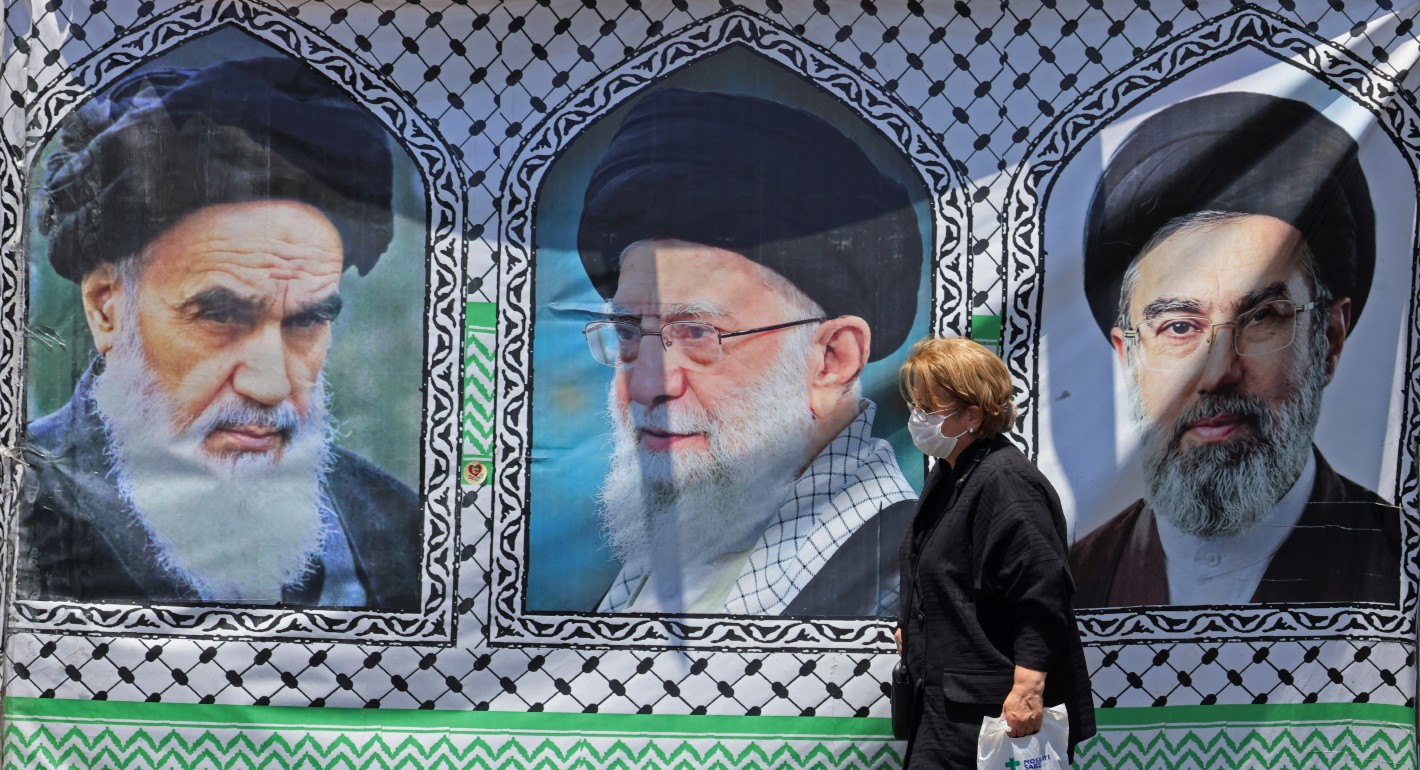
The Islamic Republic’s words and actions suggest that it has changed its approach to both diplomacy and war.
Mohammad Ayatollahi Tabaar
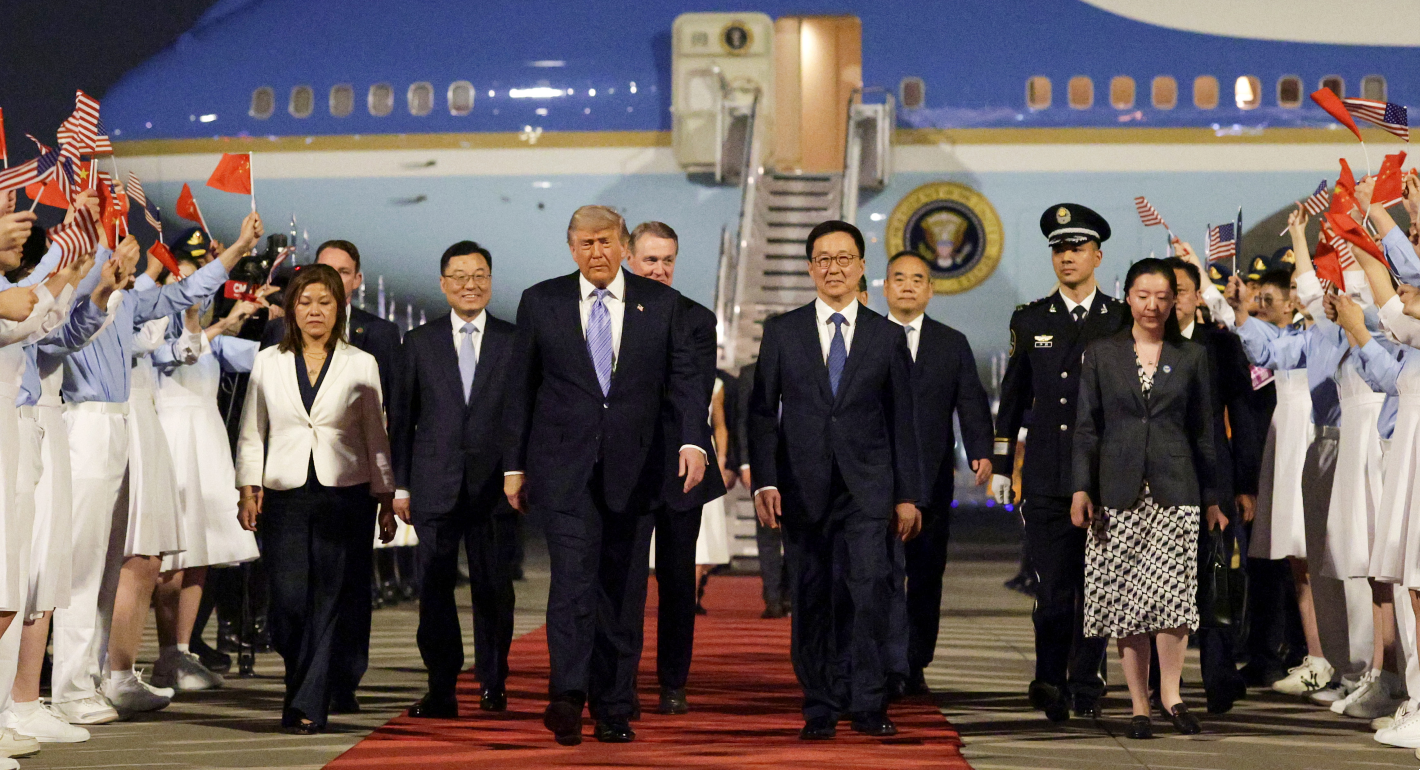
Why the outcomes of the U.S.-China meetings may be limited.
Aaron David Miller, David Rennie

Instead, governments should adopt climate-friendly measures to address the impact of rising prices.
Henok Asmelash